
Starting surfing requires less gear than most sports — a board, a leash, and sun protection covers 90% of what you need. The challenge is finding the right beginner board in a category full of boards designed for intermediate to advanced surfers.
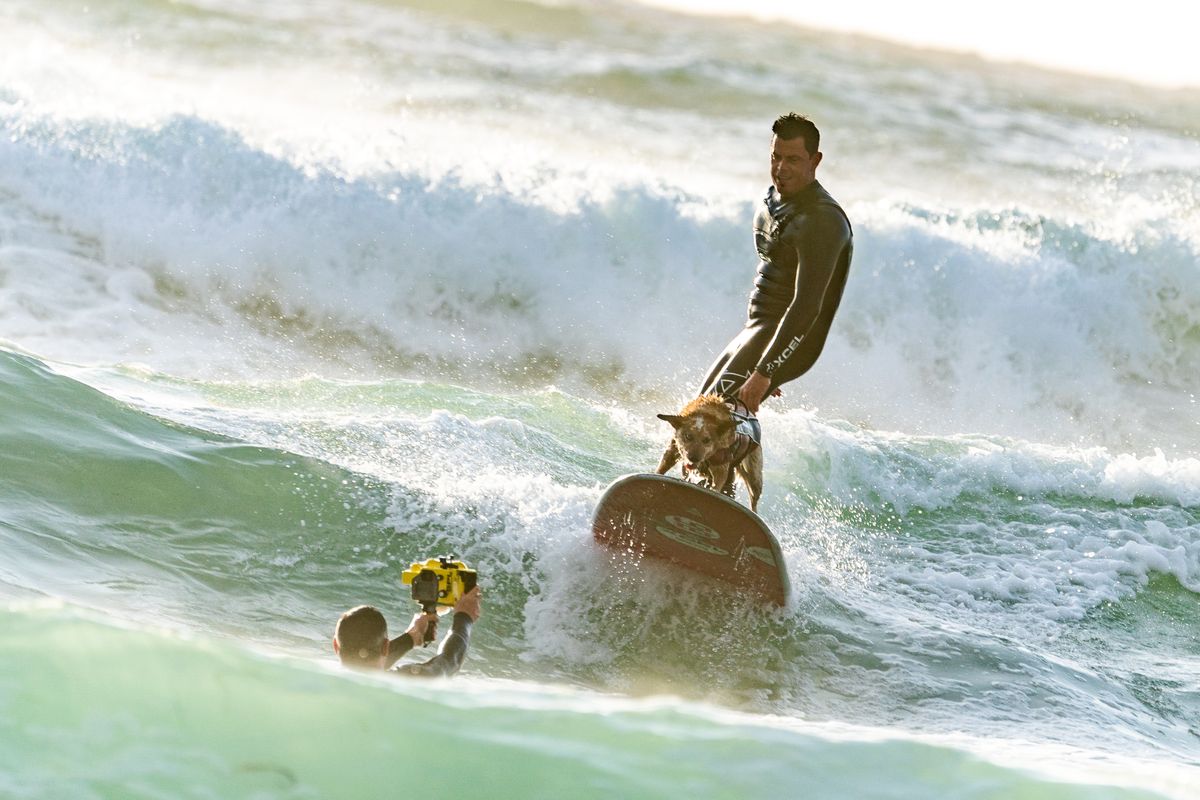

The Wavestorm 8' is the most commonly recommended beginner surfboard for one reason: it's wide, buoyant, and forgiving in a way that helps beginners catch waves and learn to stand up. Available at Costco seasonally for under $150.

The South Bay Board Co hybrid combines a soft foam deck (forgiving on wipeouts) with a hard epoxy bottom (better performance than pure foam). The shape progresses with you — you'll outgrow a Wavestorm in months; this board lasts 2+ years.

Catch Surf is the premium foam board brand — the Odysea Log is softer (safer for wipeouts), made with better materials, and ridden by professional surfers for its fun factor. More durable and better-performing than budget foam boards.

A proper surf leash is non-negotiable — without one, your board becomes a projectile when you wipe out. The Dakine Kainui is the most widely trusted surf leash brand: strong urethane cord, comfortable calf strap, and a reliable swivel that prevents tangling.

FCS is the other major leash brand — the Essential is their entry-level offering that covers all the basics reliably. For beginners in small to moderate surf, this is a completely adequate leash at a budget price.

A rashguard prevents the chest and belly rash that comes from lying on wax repeatedly. O'Neill's Basic Skins is the most widely worn — UPF 50+ sun protection, comfortable fit, and more durable than cheaper options.

Surf wax is what you stand on — without it, your feet slide off the board. Sticky Bumps is the most trusted brand: apply a basecoat first, then a temperature-appropriate topcoat. Buy 'cool' for water under 68°F, 'warm' for 68–74°F, 'tropical' above 75°F.

Most beginner foam boards come with basic plastic fins that work but limit performance. Upgrading to a proper FCS II fin improves tracking and turning feel noticeably — a $35 upgrade that makes a real difference.
Volume (measured in liters) determines how well a board floats and catches waves. As a beginner, you want MORE volume than your weight in liters — most beginners need 60–100L of volume. An 8' foam board typically has 70–100L. A shortboard for a 170 lb intermediate surfer might have 30–35L. More volume = easier to paddle, easier to catch waves, more stability when standing. Do not start on a shortboard.
A single 2-hour surf lesson from a certified instructor at a surf school ($50–100) teaches beach safety, ocean reading, paddling technique, and how to pop up — the foundation you'd take months to self-teach. Surf lessons at a soft-sand beginner break with foam boards are worth doing before you buy any equipment.
Beginners should start on white water (the broken foam of already-crested waves), not on the peaks where more advanced surfers take off. White water waves are slower, more forgiving, and let you focus on standing up without the complexity of reading an unbroken wave. Progress to unbroken waves once popping up feels automatic.
An 8–9 foot foam board (Wavestorm, Catch Surf, South Bay Board Co) is the right beginner choice. Avoid hard epoxy or fiberglass boards until you're surfing green waves consistently — they're harder to catch waves on and more dangerous when they hit you during a wipeout.
Most beginners can stand up and ride white water waves within 2–4 lessons. Getting to the point of reading waves and riding unbroken green waves consistently takes 3–12 months of weekly practice depending on natural ability and wave consistency. Surfing is genuinely difficult — the learning curve is steeper than most people expect.
Depends entirely on water temperature. Above 68°F: a rashguard is sufficient. 60–68°F: a 2–3mm spring suit or shorty wetsuit. Below 60°F: a full 3/2mm or 4/3mm wetsuit. For most of the US east coast summer and Hawaii year-round, a rashguard is adequate.
See also: Best Wetsuits • Best Life Jackets & PFDs • Water Sports Hub
