Great BBQ requires time, smoke, and consistent low temperature — and the right smoker makes all three manageable. We tested pellet smokers, offset smokers, kettle smokers, and electric options to find the best for beginners through pitmasters.
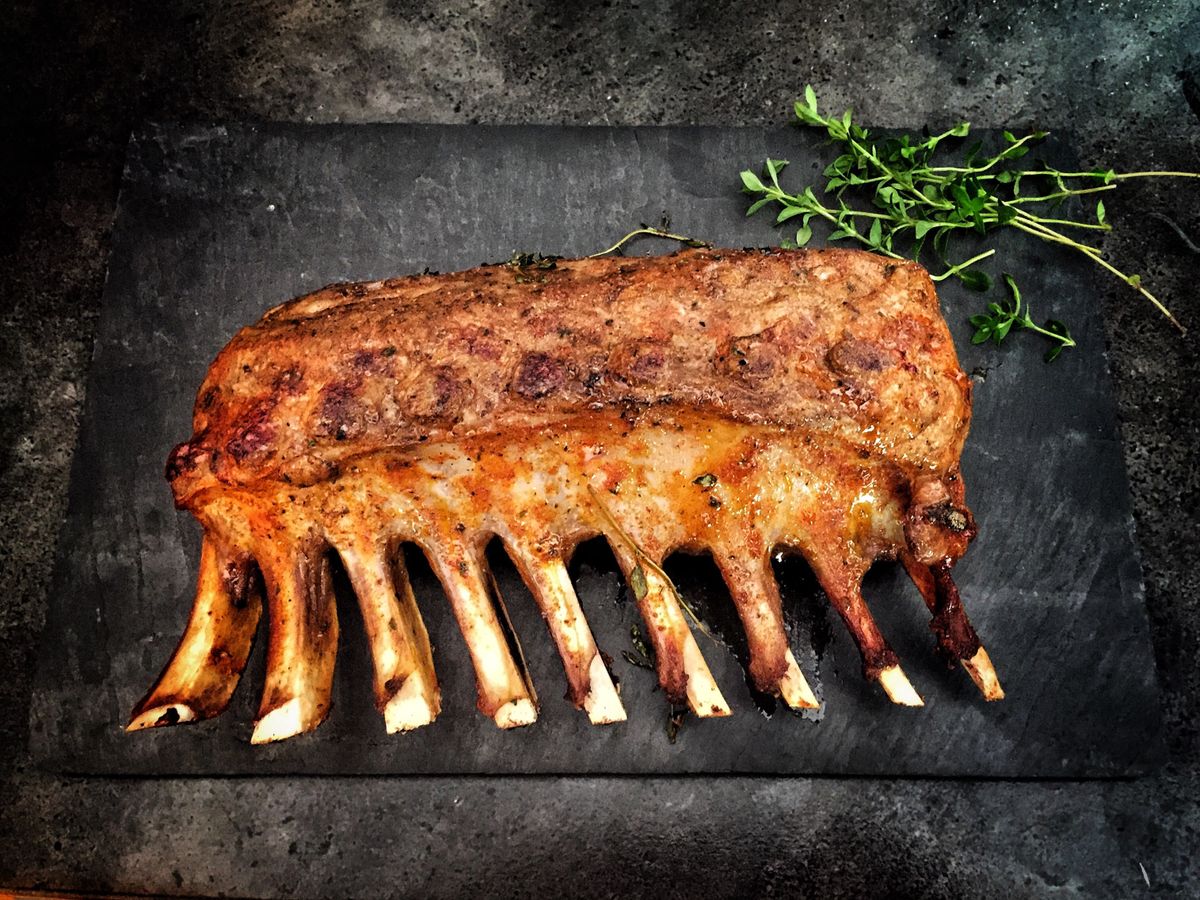

The Traeger Pro 575 is the easiest path to great smoked food. The WiFire app lets you monitor and adjust temperature from your phone, the pellet auger system maintains consistent temperature automatically, and the 575 square inches handles briskets, shoulders, and racks of ribs with room. Not a pitmaster's offset, but the best set-and-forget smoker.

The Weber Smokey Mountain is the charcoal smoker that serious BBQ competitors start on. The water pan below the cooking racks adds moisture and stabilizes temperature. With practice, the WSM holds 225-250°F for 8-12 hours on a single load of charcoal. The smoke flavor is more authentic than any pellet grill.

Camp Chef's Woodwind 24 adds features Traeger lacks at a similar price — the ash kickback system makes cleanout a one-step process, and the Slide & Grill direct flame access turns the pellet grill into a capable searing machine. If you want to smoke ribs and sear steaks on the same cooker, the Woodwind is the move.

The Masterbuilt electric smoker is the easiest possible entry to smoking. Set the temperature digitally, load wood chips through the side loader without opening the door, and walk away. Electric smokers produce solid smoked food with virtually no learning curve. The smoke ring and bark development aren't as pronounced as charcoal, but the convenience is unmatched.

The Oklahoma Joe's Highland is the entry-level offset smoker that teaches you real BBQ. The firebox offset from the cooking chamber creates the airflow that makes authentic smoked meats. The smoke ring, bark, and flavor profile from an offset smoker outperforms every other style when run correctly. The learning curve is real, but the result is worth it.
Pellet smokers (Traeger, Camp Chef) are the most convenient — consistent temperature, phone control, minimal management. Charcoal smokers (Weber Smokey Mountain) produce better smoke flavor and require moderate management skills. Offset smokers (Oklahoma Joe's) produce the best barbecue when run by a skilled cook, but require consistent fire management for 8-14 hours. Match your commitment level to the style.
Most BBQ is cooked at 225-250°F for extended periods. Brisket takes 1-1.5 hours per pound. Pork shoulder takes 1.5-2 hours per pound. Ribs take 5-6 hours. The low temperature breaks down collagen slowly, creating the tender texture that defines great BBQ. Temperature control is the most important smoking skill.
Fruit woods (apple, cherry) produce mild, slightly sweet smoke — ideal for poultry and pork. Hickory and oak produce stronger, more robust smoke — ideal for beef and pork shoulders. Mesquite is the most intense and can overpower delicate meats. For pellet smokers, use the manufacturer's pellets or quality brand pellets — cheap pellets produce acrid smoke.
The Masterbuilt electric smoker has the smallest learning curve and produces good results immediately. For those willing to invest slightly more effort, the Traeger Pro 575 app control makes pellet smoking almost as simple as an electric smoker with significantly better smoke flavor. Both are good starting points.
A full packer brisket (12-16 lbs) at 225°F takes 16-20 hours. Many pitmasters wrap in butcher paper at 165°F internal temperature (the stall) to speed the last phase. Plan for 1.5 hours per pound plus 2-4 hours resting time. The quality of a rested brisket is dramatically better than one cut immediately.
See also: Best Kamado Grills • Best Charcoal Grills • Outdoor Cooking Hub
