
The right SUP paddle makes every session more efficient and your shoulders less fatigued. We tested carbon, fiberglass, and aluminum paddles across touring, surfing, and recreational paddling to find the best at each price point.

Aqua-Bound's Shred Carbon is the best-value carbon SUP paddle available. The carbon shaft dramatically reduces swing weight compared to fiberglass and aluminum, the blade shape is efficient for touring and recreational paddling, and the adjustable length handles multiple heights. A serious paddle at a non-serious price.

The Hala Carbon Pro is built for paddlers logging serious miles on flat water. At 22 oz it's one of the lightest paddles on the market, the narrow blade pulls cleanly through flat water with minimal resistance, and the stiff carbon shaft transfers every ounce of power. For distance touring, nothing beats it.

The BOTE Slash is the paddle you buy when you're just getting started. The aluminum shaft adjusts to any height, the nylon blade handles abuse, and at $69 it's not a painful entry cost. Upgrade to fiberglass or carbon once you know you love paddling.

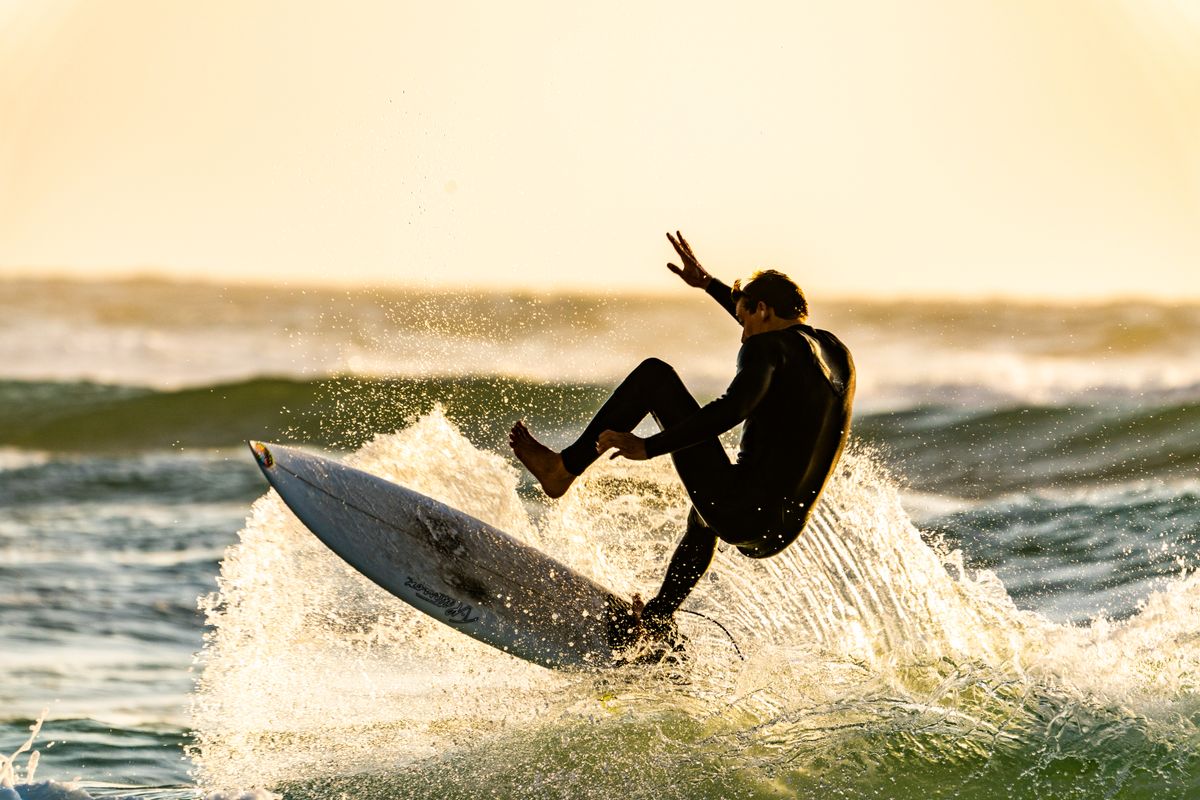
Werner's Carve is the pick for surfers who also SUP. The higher-angle blade design generates more power on aggressive strokes and works beautifully in wave conditions. Werner's quality control means every adjustment point locks solid and the ferrule stays tight session after session.

The Starboard Lima breaks into three pieces for travel — it fits in most checked bags and carry-ons with no additional paddle case. At carbon weight it's still genuinely light, and the blade shape suits both touring and recreational use. The best option if you travel to paddle.
SUP paddle length depends on your height and paddling style. Touring and flatwater: add 8–10 inches to your height. Surfing: add 6–8 inches. Racing: add 10–12 inches. Most adjustable paddles cover a 68–86 inch range — verify your height falls within the adjustment window before buying.
High-angle blades are narrower and longer — designed for powerful, aggressive strokes. Great for surfing and fast sprints. Low-angle blades are wider and shorter — efficient for cruising and long-distance paddling where cadence matters more than power. Most recreational paddlers should default to low-angle.
The swing weight of a SUP paddle accumulates over thousands of strokes. The difference between a 38 oz aluminum paddle and a 22 oz carbon paddle is enormous over a 2-hour session. Shoulder fatigue, stroke rate, and enjoyment all improve dramatically with a lighter paddle.
Add 8–10 inches to your height for a good starting length for flat-water touring. Adjust slightly shorter for surfing, slightly longer for racing. Most adjustable paddles let you dial in the exact length — start at the calculated height and tweak based on feel.
If you paddle more than a few times per year, yes. The weight reduction translates directly to reduced shoulder fatigue and better endurance. The jump from aluminum to fiberglass is meaningful; fiberglass to carbon is more subtle but still noticeable over a long session.
See also: Best Paddleboards • Best Inflatable Kayaks • Water Sports Hub
