
Poles are one of those pieces of gear that new hikers skip and experienced hikers never leave home without. Your knees do a lot of quiet suffering on long descents, and the right pair takes real strain off them. We compared five options from a legendary $30 aluminum pair to premium carbon fiber.
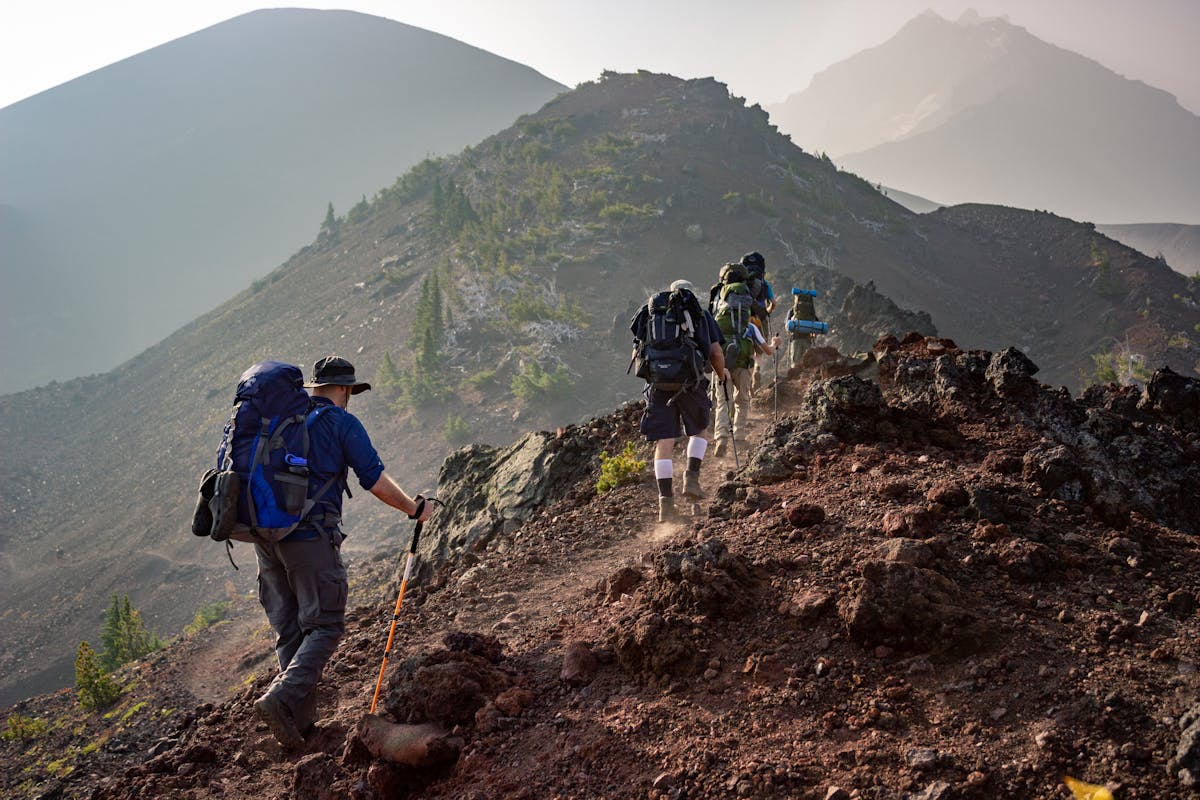

"At under thirty bucks with this many happy owners, there's really no excuse not to have a pair in the car."
This is the pole most hikers should just buy without overthinking it. Cheap, proven at a scale nothing else on this list comes close to, and it does the one job that matters.

If the weight of the aluminum poles bothers you on long hikes, this is the proven step up. Nearly twice the price, but the review count shows it's earned that premium.

Sticking with one trusted brand across your gear has real appeal, and this delivers the same reliability as their aluminum poles in a lighter carbon build.

For backpackers who obsess over pack weight, this is the pole that actually moves the needle. Everyone else will do just fine with a heavier, cheaper pair.

If you've broken a pair of carbon poles before, or you're a bigger hiker who's worried about it, this is built specifically to solve that problem.
| Product | Price | Rating | Material | Best For |
|---|---|---|---|---|
| Cascade Mountain Tech Aluminum | $29.99 | 4.6 (14,300+) | Aluminum | Most hikers, no overthinking |
| Foxelli Carbon Fiber | $53.97 | 4.7 (8,400) | Carbon fiber | Proven lightweight upgrade |
| Cascade Mountain Tech Carbon | $51.99 | 4.6 (3,500) | Carbon fiber | Trusted brand, lighter build |
| Trekology 3K Carbon | $49.99 | 4.6 (111) | Carbon fiber | Thru-hikers counting ounces |
| Goat Stix Heavy-Duty | $89.95 | 4.5 (55) | Carbon fiber | Rough terrain, bigger hikers |
Aluminum poles are heavier but more durable and much cheaper, they tend to bend rather than snap under stress, which is actually safer in a fall. Carbon fiber saves real weight but costs more and can shatter under sideways force in a way aluminum won't. For most hikers, aluminum is the smarter first pair.
Poles reduce the impact load on your knees by transferring some of your body weight through your arms instead, and that effect is most pronounced on descents, where your knees absorb the most shock with every step. Studies on trekking poles have found meaningful reductions in knee stress specifically on downhill terrain.
Flip locks (external clamps) are generally more reliable in cold or wet conditions and easier to adjust with gloves on. Twist locks are lighter and less bulky but can slip under heavy load if not tightened properly, and cold weather can make them harder to grip. Most of the poles on this page use flip locks for exactly that reliability.
Start with the Cascade Mountain Tech aluminum poles, at this price and rating volume it's genuinely hard to justify anything else as a first pair. If weight matters enough to you to pay more, the Foxelli carbon fiber poles have the review count to back up the upgrade.
