Family camping is one of the most rewarding outdoor experiences you can give kids — but a poorly planned first trip can sour everyone on camping for years. The difference between a success and a disaster is almost always preparation and site selection.
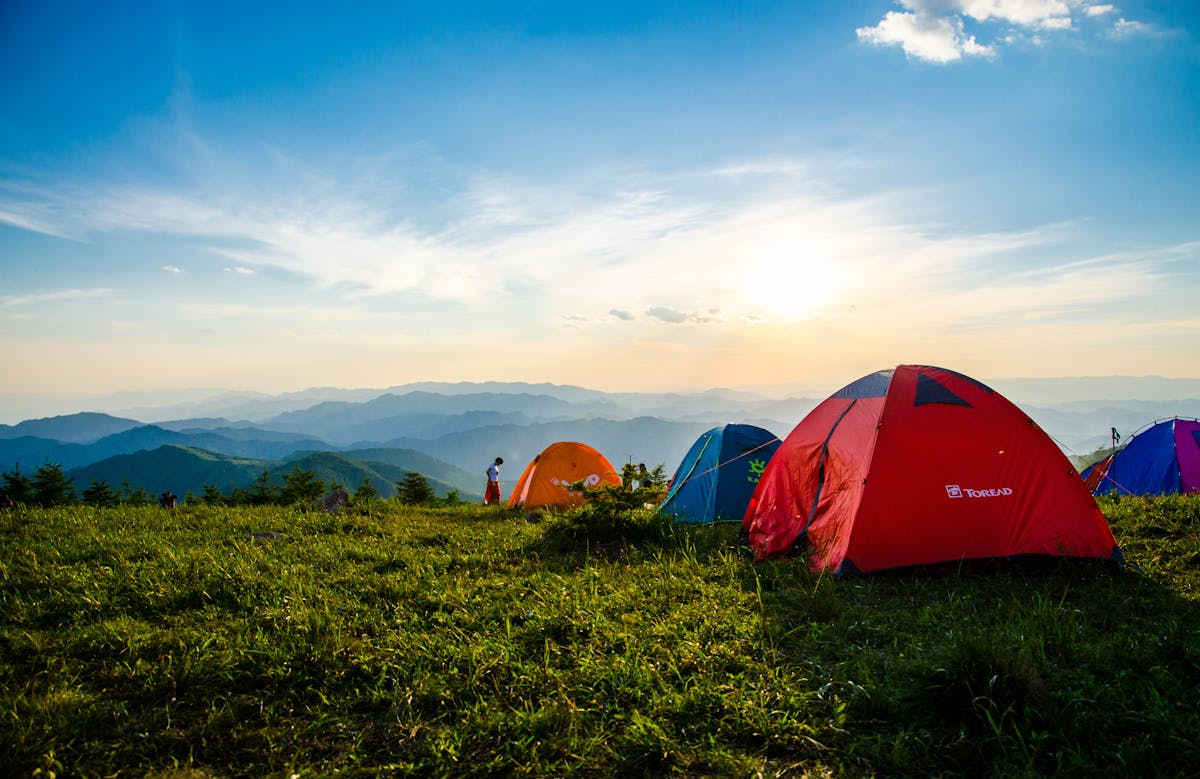
For a first family trip, choose a developed campground with running water, flush toilets, and a short drive from home. Staying close to home means you can bail if things go sideways without it being a complete loss. RV campgrounds typically have the best facilities. State and county parks often offer quality sites without the reservation competition of national parks.
A child-sized sleeping bag rated for the expected temperature. A sleeping pad — kids sleep cold on the ground without insulation beneath them. A headlamp (kids love having their own). Rain gear. Extra socks and a warm layer even in summer. Bug spray (DEET-free for under-12, DEET below 30% for older kids). The gear list is shorter than you think.
Talk before the trip about what camping involves — no TV, sleeping in a tent, cooking over a fire, bugs. Frame the unfamiliar as adventure, not absence. Let older kids participate in packing their own small backpack and choosing some food. The more ownership kids have over the trip, the more invested they are in its success.
Scavenger hunts (identify 10 plants, find 3 types of rocks, spot 5 birds). Night sky identification with a star chart or app like Sky Map. Fishing even without catching anything. Creek exploration with a magnifying glass. S'mores engineering (the optimal marshmallow-to-chocolate-to-graham ratio is a serious topic at camp). Glow-in-the-dark items are disproportionately popular at night.
Brief kids on the camp boundary before they run off — kids should know how far they can go without an adult. Keep a first aid kit accessible. Apply bug spray and sunscreen before they're needed, not after. For areas with wildlife, review bear safety, plant identification (poison ivy), and what to do if they get separated from you.
With a well-prepared parent, babies can camp — many families car camp with infants using portable cribs and appropriate sleeping gear. The most practical first camping age is 3–5 when kids can walk short distances and participate in camp activities. The most memorable camping ages tend to be 6–12, when adventure resonates most.
The layering system works: a moisture-wicking base layer, an insulating mid-layer (fleece or down), and a waterproof shell for wind and rain. Kids lose heat faster than adults, especially at the extremities — hat and socks are first priorities. A sleeping bag sized for the child (adult bags allow cold pockets to form) and a sleeping pad rated for the temperature are essential.
See also: Best Family Camping Tents • Best Sleeping Bags • Best Camping Chairs
