
Tents are one of the most confusing outdoor gear purchases — season ratings, capacity claims, and pole systems vary between manufacturers in ways that make direct comparison difficult. Here's a framework that cuts through the confusion.
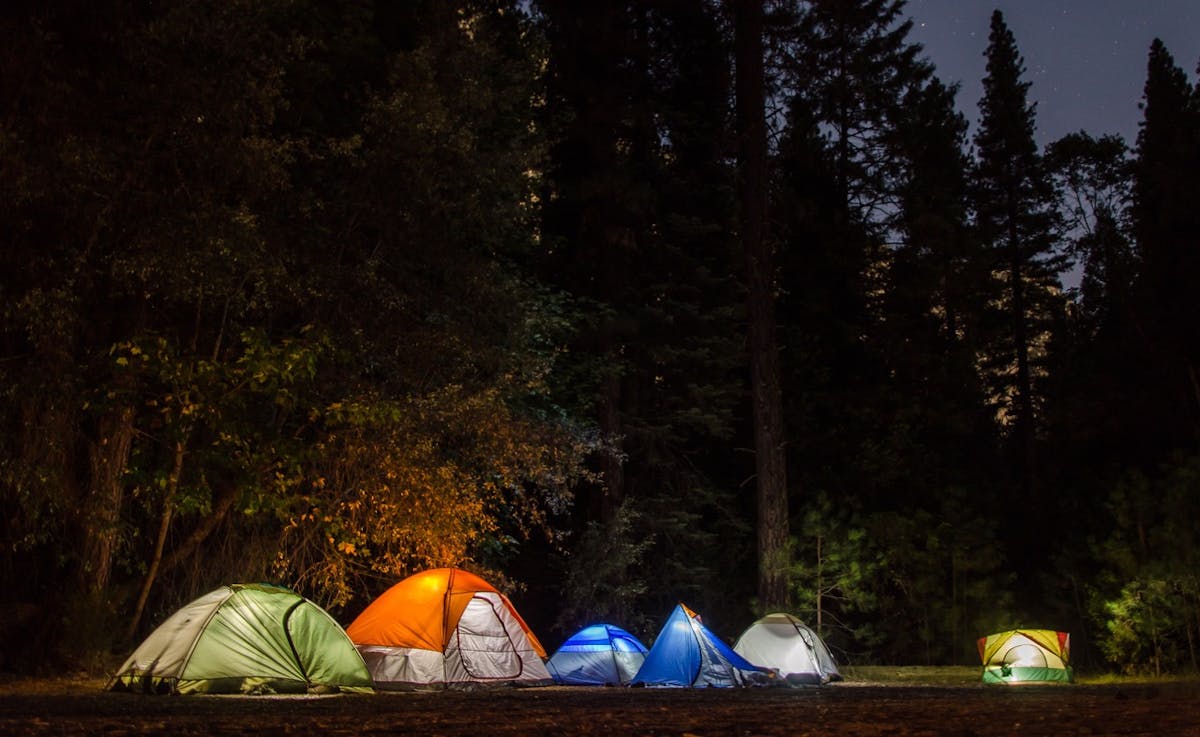
3-season tents handle spring, summer, and fall in most conditions — rain, wind, and light snow. They're lighter and better ventilated than winter tents. 4-season (mountaineering) tents handle heavy snow loads, sustained high winds, and winter conditions — heavier, more expensive, and less ventilated. Most campers need a 3-season tent. If you camp in the shoulder season with potential snow, look for a '3+ season' designation.
Tent capacity ratings are optimistic — a '2-person' tent barely fits two adult sleeping bags with no gear. Most couples prefer a 3-person tent for comfort. Most solo backpackers use a 1-person tent. For car camping where weight isn't a concern, buying one size up from your group size dramatically improves comfort.
Freestanding tents stand up on their own — you can pick them up and move them, shake out debris, and set them up on rocky ground where stakes don't hold. Non-freestanding tents require stakes to stand and are typically lighter — used by ultralight backpackers who accept the trade. For most campers, especially beginners, freestanding is the right choice.
Aluminum poles are the standard — light, strong, and field-repairable. Fiberglass poles (found in budget tents) are heavier, flex more, and shatter instead of bending in stress — less field-repairable. DAC poles are the premium aluminum pole manufacturer found in MSR, Big Agnes, and REI tents.
Waterproofing comes from two things: the rainfly's waterproofness (measured in mm of HH: 1,500mm is acceptable, 3,000mm+ is rain-ready), and sealed seams. Budget tents often use waterproof fabric but don't seal the needle holes — water seeps through the stitching. Check that a tent's seams are taped or sealed, not just described as waterproof fabric.
REI Co-op, MSR, Big Agnes, and NEMO are consistently rated highest for 3-season camping tents in terms of durability, waterproofing, and design. Budget options from Coleman and Core Tents provide good value for car camping where weight isn't a concern. For backpacking, Big Agnes Copper Spur, MSR Hubba Hubba, and NEMO Dragonfly are top-tier.
A groundsheet or footprint under the tent prevents ground moisture from wicking through the floor. Pitch with the rainfly fully deployed even on clear nights — condensation in the morning can wet everything inside. Store wet gear in the vestibule, not the sleeping area. Keep the vents open (even in rain) to reduce condensation inside.
See also: Best Camping Tents for 2026 • Best Sleeping Bags • Best Backpacking Stoves
